


Why lava soils change the aromatic profile of herbs
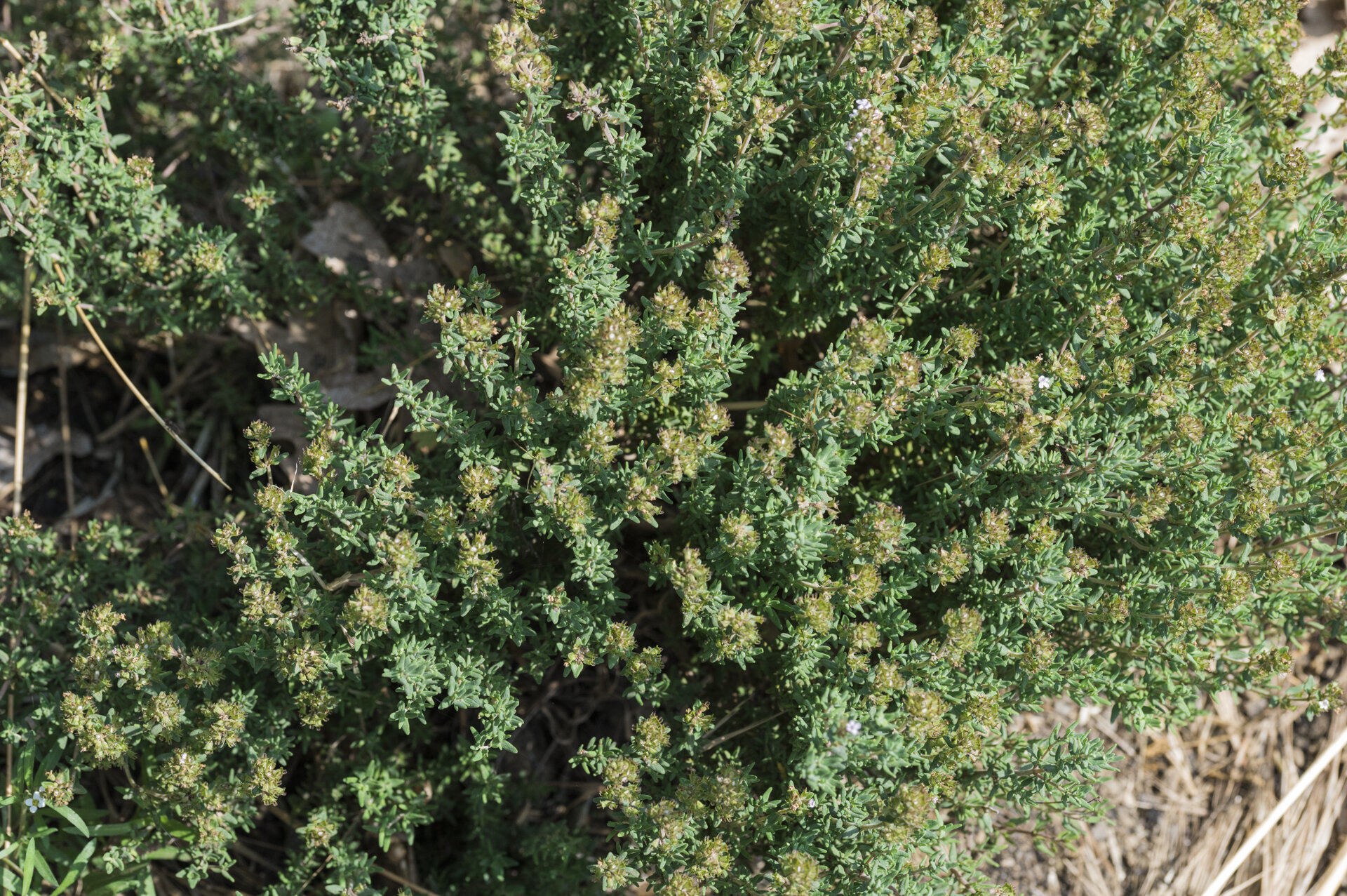
When we say that our herbs "are born on Etna," we are not using a poetic phrase: we are referring to a volcanic terroir that truly influences the aromas, essential oils, and structure of the plants. The lava soil is young, well-drained, and rich in minerals available in unique forms; the climate is breezy, with strong temperature variations and intense light that supports photosynthesis for many hours a year. These factors, combined, act as a natural gym for medicinal plants.
Soil and minerals: the "diet" of plants
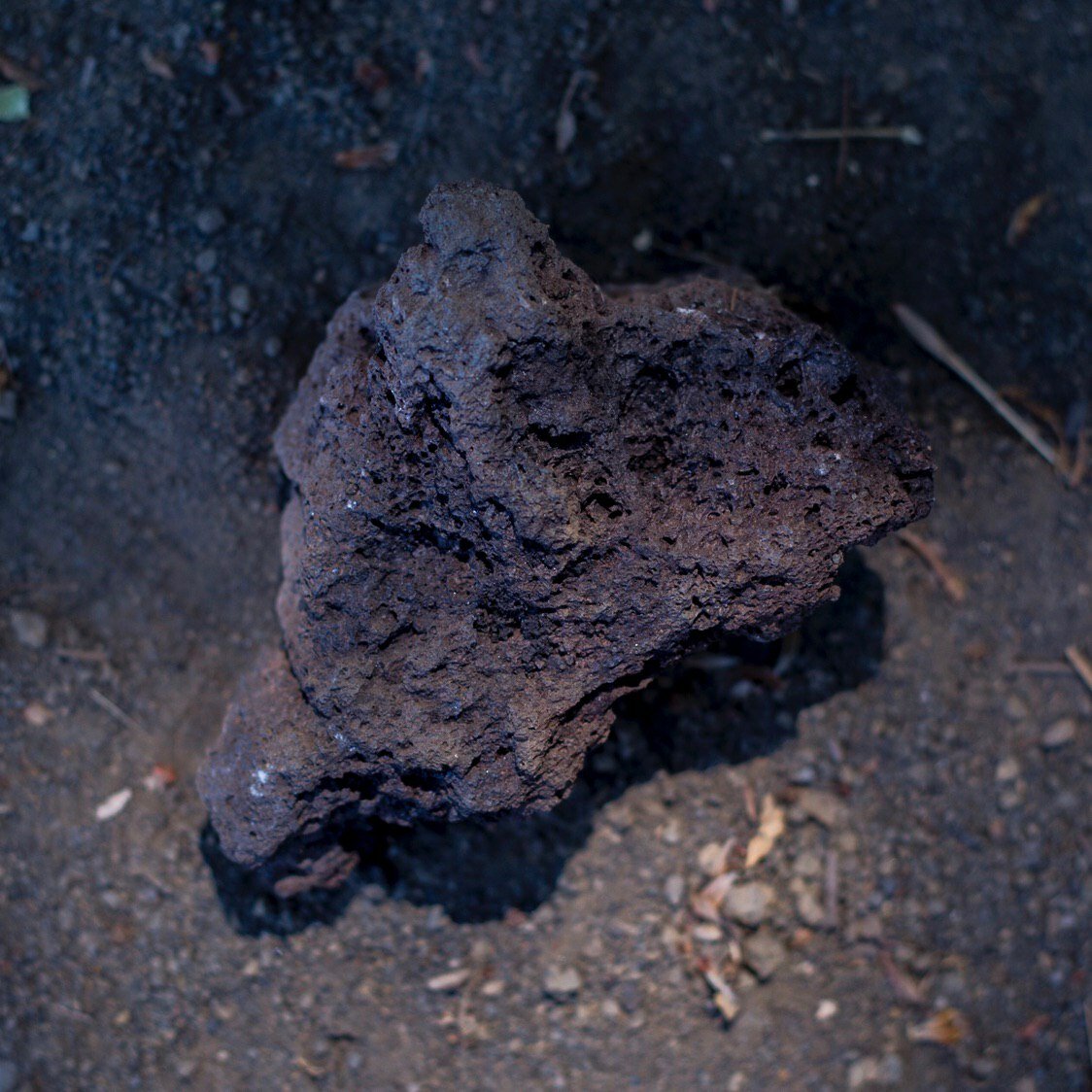
The volcanic soil is porous and drains quickly. For the roots, this means working harder to find water and nutrients: this “slight effort” stimulates the plant to concentrate secondary compounds, including the precursors of essential oils. At the same time, the mineral matrix (silica, iron, trace elements) modulates pH and cation exchange, influencing aromatic intensity and natural astringency. The result? More balsamic rosemary, sage with a more distinct aroma, broom and Mediterranean scrub that enter the cup with a recognizable territorial signature.
Climate, temperature fluctuations and "good" stress
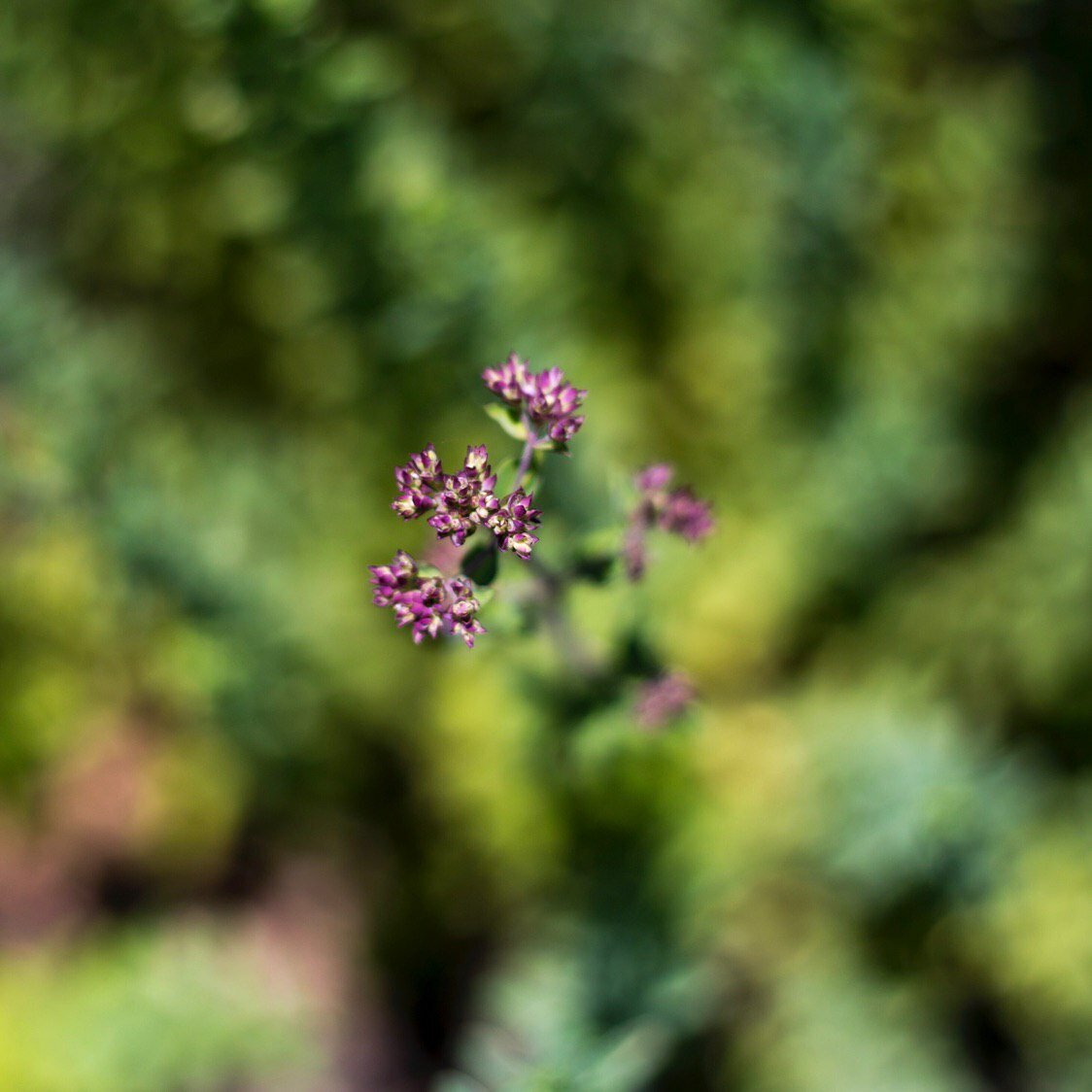
During the day, light and winds dry the plants, at night the temperature drops: the plants "close" their tissues and retain aromas. This cycle, repeated for months, promotes cleaner and more persistent profiles, with less water dilution in the tissues. In the cup, this means sharper notes, a long finish, and a more "dry" tactile sensation, ideal for digestive and relaxing infusions with a clear taste.
Harvesting, drying and cutting herbal tea
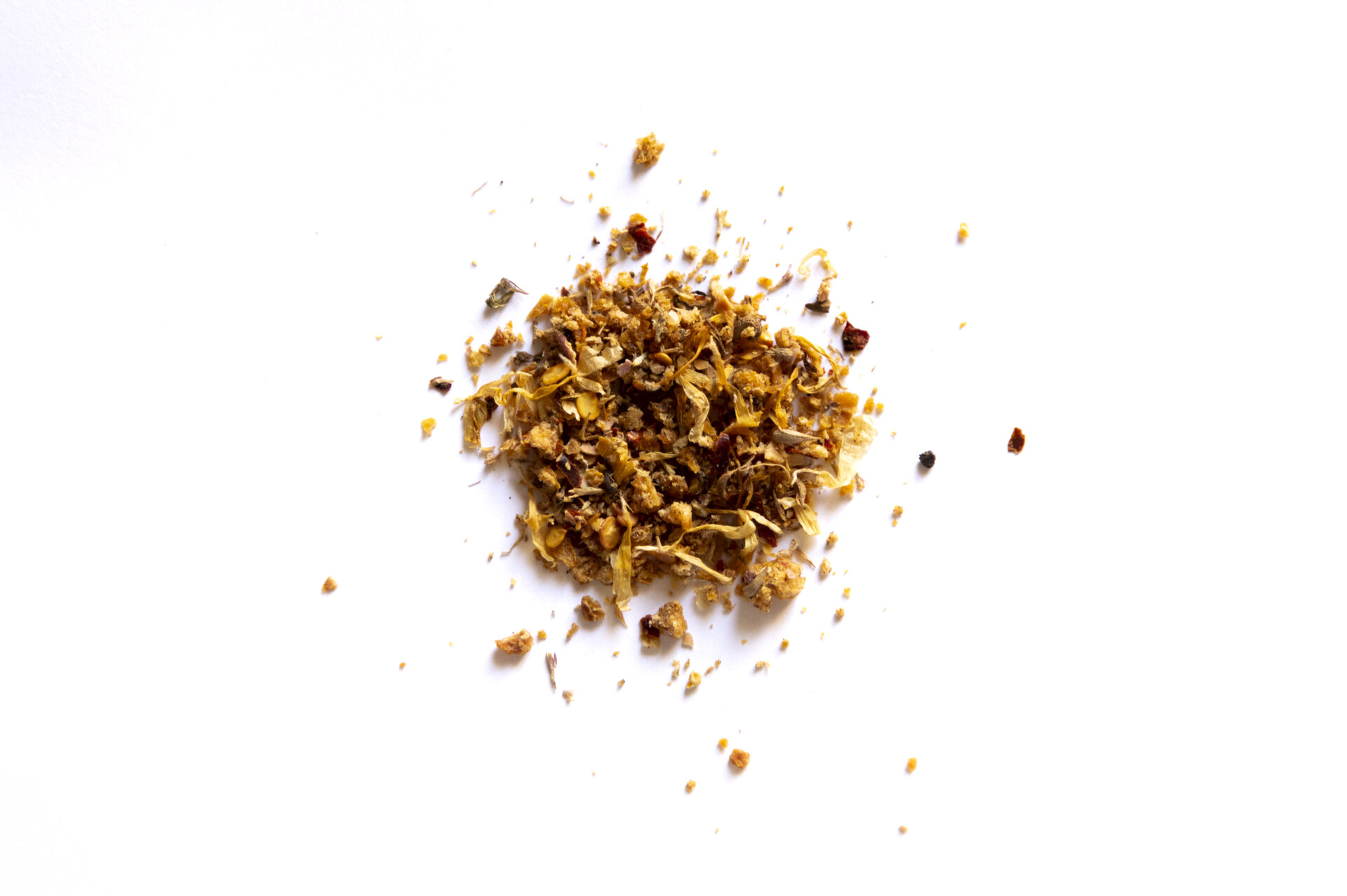
The terroir is a foundation; post-harvest care is its amplifier. We harvest in precise phenological windows (when the essential oil is at its peak—the balsamic period), dry at low temperature to preserve the volatile fractions, and use a herbal tea cut that balances exposed surface and filterability. This allows for clear, aromatic infusions, with bright color and low dustiness.
Ultimately, the Etna terroir is not a label: it is a sensory multiplier that makes our herbal teas unique, from the field to the cup.

